
laparoscopy and laser Centre
laparoscopy and laser Centre
Aesthetic or otherwise called cosmetic treatments are non-surgical procedures designed to combat signs of ageing, rejuvenate and refresh skin.
Aesthetic treatments can also be used to help with excessive sweating, remove pigmentation, treat acne, scars, skin tags and moles and the improve the appearance of veins.
Acne scars primarily occur due to abnormal collagen production after the breakout subsides.
view more
skin Lightening works on the principle of using different methods to reduce the melanin deposition in the skin making it look a tone or more lighter.
view more
Most pigmentation concerns result in discoloured patches of skin that appear darker than the surrounding areas, making the skin tone uneven.
view more
Medifacials are known to improve the tone and texture of the skin along with increase your collagen production and thus eventually decrease your aging process of your skin.
view more
Skin Tag are small, noncancerous, or benign, skin growths. Usually, they are flesh-colored bumps of tissue connected to the skin's surface by a narrow stalk.
view more
Moles are common skin growths. You probably have more than one on your face and body.
view more
Dandruff is a common fungal infection of scalp to flake. It isn't contagious or serious.
view more
PRP (platelet-rich plasma) therapy for hair loss is a three-step medical treatment in which a person's blood is drawn, processed, and then injected into the scalp.
view more
GFC (Growth Factor Concentrate) treatment for hair loss involves using a concentrated solution of growth factors derived from the patient's own blood, which is then applied to the scalp.
view more
Glutathione is an antioxidant which is naturally produced by our liver. Glutathione is involved in tissue building and repair, making chemicals and proteins needed in the body, and in immune system function.
view more
Acne is a widespread disorder of the oil glands in the skin. It is a primary aesthetic concern because it predominantly occurs on the face and affects the tone and texture of your skin permanently if left untreated.
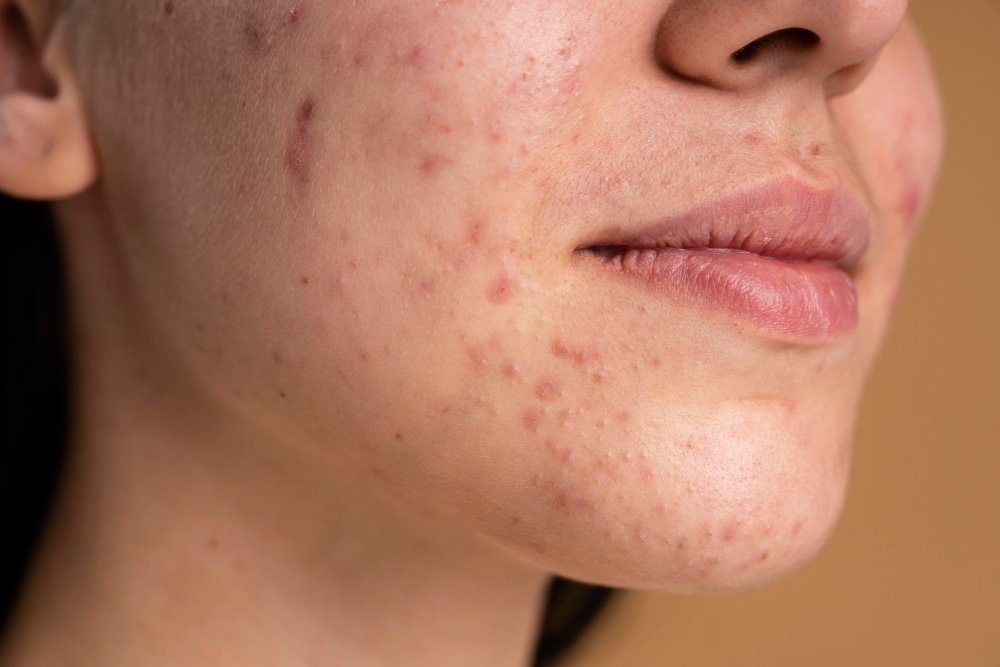
1. Oral And Topical Medications:
Lapser team of leading medical experts have a holistic approach and strive to treat the underlying causes like Polycystic Ovarian Syndrome (PCOS) and insulin resistance that may be causing your acne flare-ups. They may prescribe a few oral medications, including oral Isotretinoin, oral antibiotics and hormonal therapy to minimize recurrent pimples. They may also advise the application of topical medicines like retinoid to reduce the current breakouts.
2. Chemical Peels
Qualified medical professionals will suggest the use of different concentrations of specially formulated chemical peels based on your skin type and the severity of your acne. They recommend the application of plant-based extracts to exfoliate the damaged layers of your skin safely and remove grime, dead cells, excess sebum from the pores. The advanced aesthetic procedure also helps in clearing mild to moderate acne effectively. Chemical peel treatment for acne ensures you enjoy a notable improvement in your skin texture.
3. Comedone Extraction
Experienced medical team at lapser are adept at safely extracting the blackheads and whiteheads (comedones) from the skin’s surface using specialised tools in a sterile environment.
Acne scars primarily occur due to abnormal collagen production after the breakout subsides. Also, you may experience dark patches or marks due to post-inflammatory hyperpigmentation. They are usually stubborn and refuse to fade away on their own. Seeking a professional solution becomes a logical step to regain spotless skin when all methods of self-care fail.
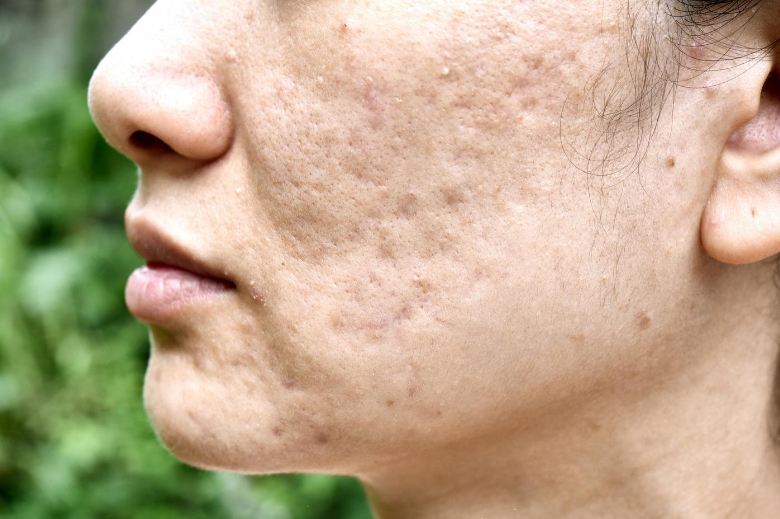
1. Oral And Topical Medications:
Lapser team of leading medical experts have a holistic approach and strive to treat the underlying causes like Polycystic Ovarian Syndrome (PCOS) and insulin resistance that may be causing your acne flare-ups. They may prescribe a few oral medications, including oral Isotretinoin, oral antibiotics and hormonal therapy to minimize recurrent pimples. They may also advise the application of topical medicines like retinoid to reduce the current breakouts.
2. Chemical Peels
Qualified medical professionals will suggest the use of different concentrations of specially formulated chemical peels based on your skin type and the severity of your acne. They recommend the application of plant-based extracts to exfoliate the damaged layers of your skin safely and remove grime, dead cells, excess sebum from the pores. The advanced aesthetic procedure also helps in clearing mild to moderate acne effectively. Chemical peel treatment for acne ensures you enjoy a notable improvement in your skin texture.
3. Comedone Extraction
Experienced medical team at lapser are adept at safely extracting the blackheads and whiteheads (comedones) from the skin’s surface using specialised tools in a sterile environment.
skin Lightening works on the principle of using different methods (creams, lasers, serums, chemicals, oral medications etc) to reduce the melanin deposition in the skin making it look a tone or more lighter.

1. Oral medication:
The oral medications, mainly glutathione based. Glutathione for your information is an antioxidant produced in the liver and responsible for preventing pigmentation by reducing melanin deposition. Taking glutathione orally helps as the ingredient dissolves in the blood stream and works.
2. Injectables:
Glutathione injections are given directly into the bloodstream and thus get to work immediately bringing changes from within the body. It is comparatively long lasting but they do require booster sessions sometime
Skin lightening treatment primarily helps in achieving the below-mentioned benefits :
Hyperpigmentation is a common condition that makes some areas of the skin darker than others. It occurs when the skin produces more melanin, the pigment that gives skin its color. It can occur in small patches or cover large areas and can affect people of all skin types. Some common causes of hyperpigmentation include sun exposure, hormonal changes, and skin injuries
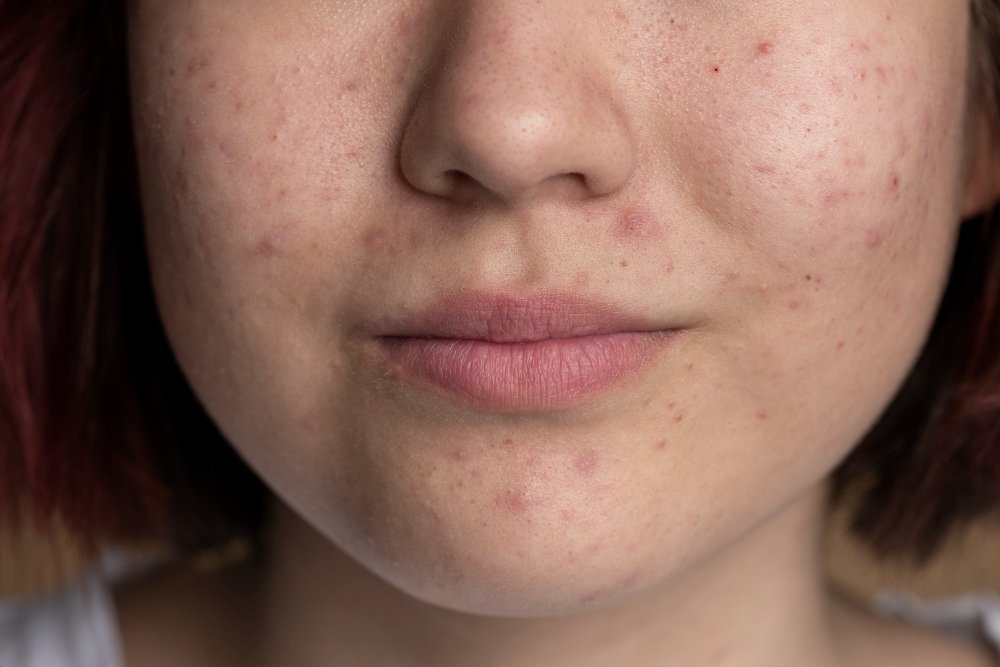
Most pigmentation concerns result in discoloured patches of skin that appear darker than the surrounding areas, making the skin tone uneven. The most common types of pigmentation concerns include:
It is possible to treat and reduce pigmentation with the help of advanced treatment that eliminate your skin’s melanin build-up safely and effectively and lighten your skin tone.
Medifacials are known to improve the tone and texture of the skin along with increase your collagen production and thus eventually decrease your aging process of your skin.Medifacial mainly focusing on acne , acne scarring , dark spots, sundamage, dehydration of the skin, and pigmentation by using vitamins, antioxidant, alpha hydroxy acids.
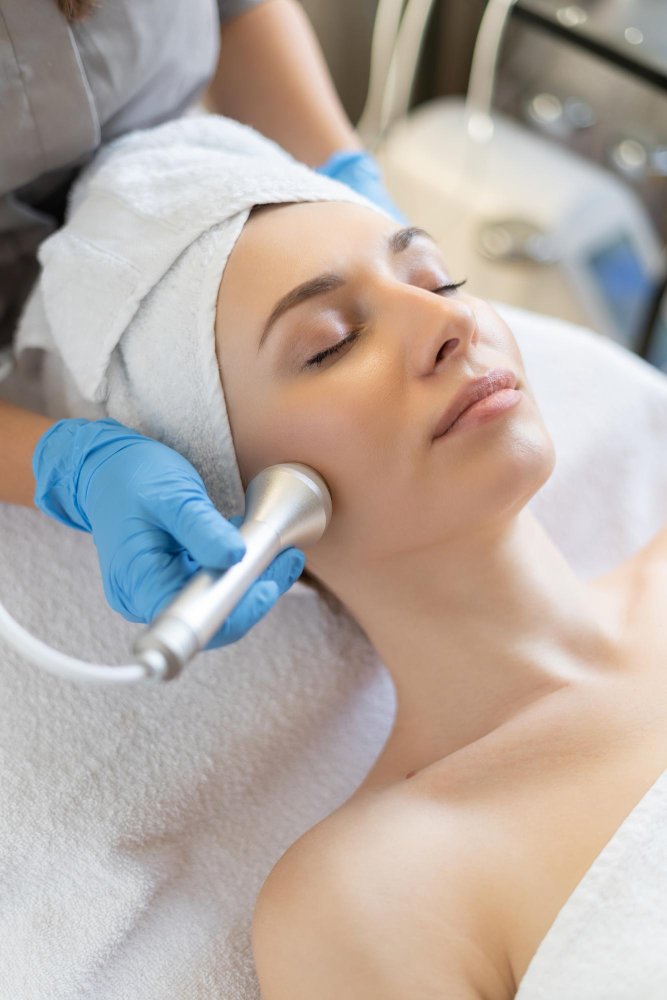
Medi-facials have gained a lot of popularity these days; many celebrities have adopted this skin treatment and endorsed it to spread awareness.
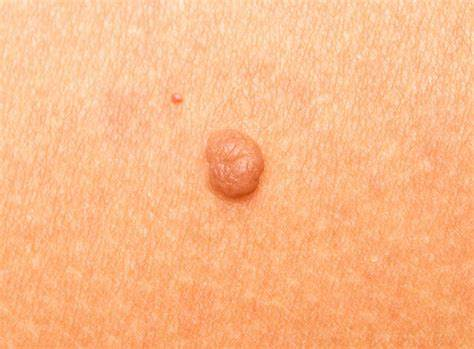
What is a Skin Tag?
Skin Tag are small, noncancerous, or benign, skin growths. Usually, they are flesh-colored bumps of tissue connected to the skin's surface by a narrow stalk. Skin tags are innocuous developments that can differ in number from one to hundreds. Men and women are similarly inclined to develop skin tags. Most skin tags regularly are little from 2 mm-5 mm in diameter , yet some can develop as extensive as a couple of centimeters going from 1 cm-5cm in width.
In spite of the fact that tags are procured (not present at the time of birth) and may happen in anybody, more frequently they emerge in adulthood. They are considerably more typical in middle age, and they will quite often increase to the age of 60
Skin tags appear to be common in:
Treament we provide to remove the skin tag:
Physical methods :
Skin tags are also removed by using physical methods like using dental floss to cut off or tie off the tag.
Cauterization:
Skin tag can be burned using an electrolysis method through the process of cauterization. In some cases, the blood supply to the skin tag can be hindered using the ligation method. Skin tag can also be removed with a surgical tool named scalpel through excision.
Moles are common skin growths. You probably have more than one on your face and body.
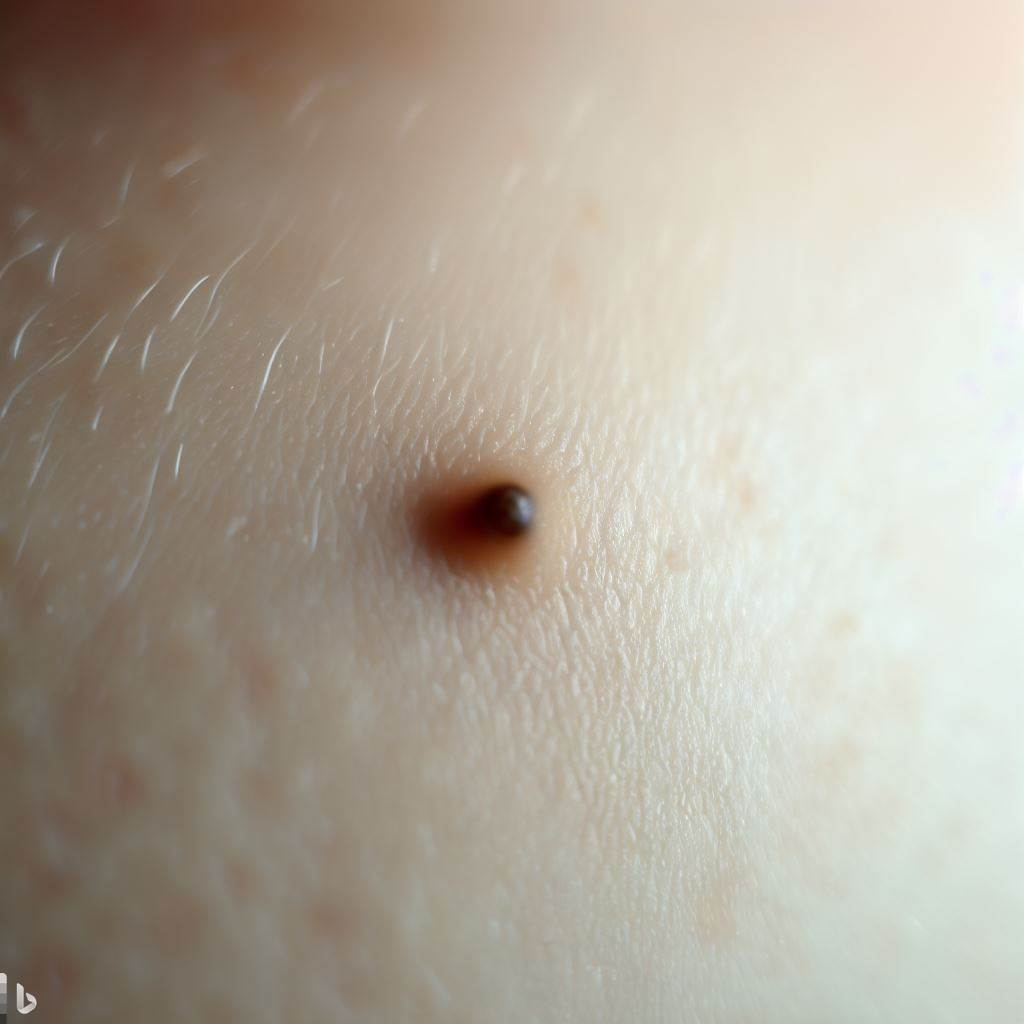
The best way to know if a mole is cancerous is to see a doctor for an annual skin cancer screening. If you have a history of skin cancer, your doctor may recommend screening more often.
Meanwhile, you should schedule a checkup with your doctor if you notice any moles that:
These are known as the ABCDEs of mole checks.
Freezing:
This procedure uses a small amount of liquid nitrogen to remove a noncancerous mole. A small blister may remain after the procedure which wears off gradually.
Burning:
This procedure uses an electric current to burn off the upper layers of a noncancerous mole. It may take more than one session to complete the mole removal.
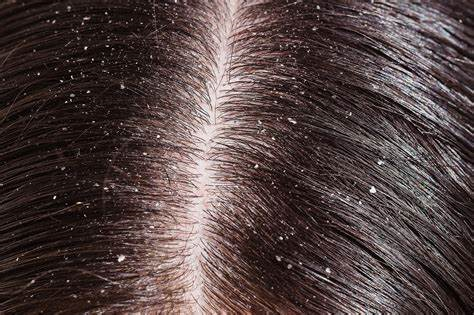
Dandruff is a common fungal infection of scalp to flake. It isn't contagious or serious
Dandruff signs and symptoms may include:
The signs and symptoms may be more severe if you're stressed, and they tend to flare in cold, dry seasons.s
Dandruff may have several causes, including:
PRP (platelet-rich plasma) therapy for hair loss is a three-step medical treatment in which a person’s blood is drawn, processed, and then injected into the scalp. Some in the medical community think that PRP injections trigger natural hair growth and maintain it by increasing blood supply to the hair follicle and increasing the thickness of the hair shaft. Sometimes this approach is combined with other hair loss procedures or medications
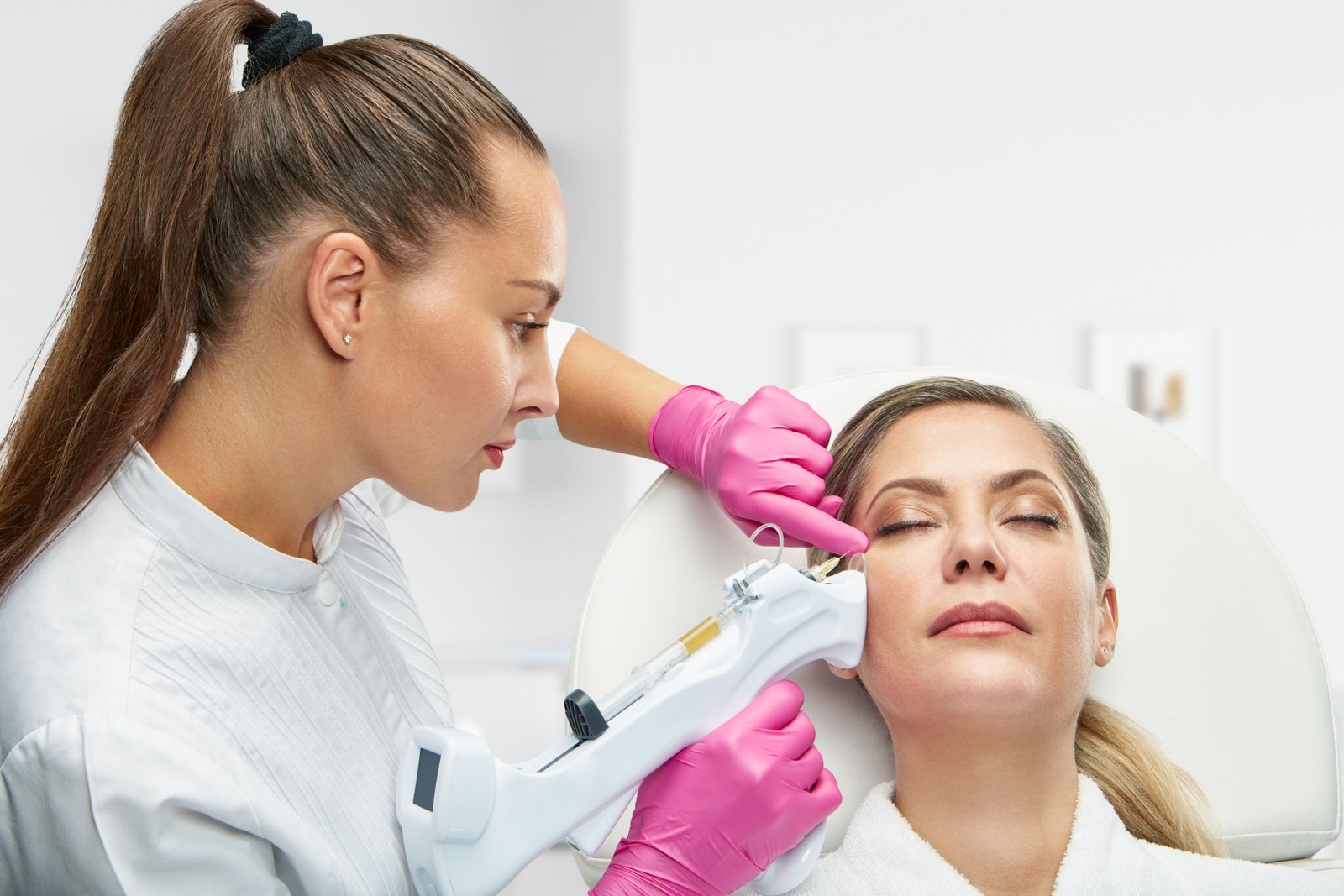
PRP therapy is a three-step process. Most PRP therapy requires three treatments 4-6 weeks apart. Maintenance treatments are required every 4-6 months.
Step 1
Your blood is drawn — typically from your arm — and put into a centrifuge (a machine that spins rapidly to separate fluids of different densities).
Step 2
After about 10 minutes in the centrifuge, your blood will have separated into in three layers:
Step 3
The platelet-rich plasma is drawn up into a syringe and then injected into areas of the scalp that need increased hair growth.But it may vary person to person. According to a recent studyTrusted Source, “Although PRP has sufficient theoretical scientific basis to support its use in hair restoration, hair restoration using PRP is still at its infancy. Clinical evidence is still weak.”
Be sure to report all medications you're on before the procedure including supplements and herbs.
When you go for your initial consultation, many providers will recommend against PRP for hair loss if you:
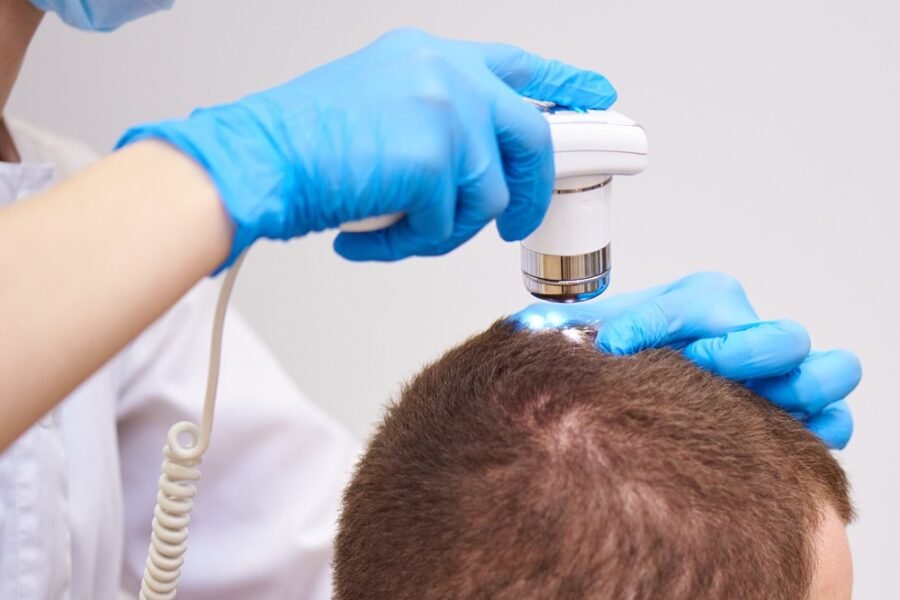
GFC (Growth Factor Concentrate) treatment for hair loss involves using a concentrated solution of growth factors derived from the patient's own blood, which is then applied to the scalp.
How long does it take to see the results?
The Growth Factor promote new hair growth within 3 to 4 weeks of treatment. The hair density increases by 30 to 40% by six to eight sessions of treatment. On an average six sessions are required once in a week to 10 days along with which supplements are given. But it may vary person to person.
Glutathione is an antioxidant which is naturally produced by our liver. Glutathione is involved in tissue building and repair, making chemicals and proteins needed in the body, and in immune system function.
Studies have shown that glutathione can help to reduce the production of melanin, which can lead to a more even skin tone and reduce the appearance of dark spots and hyperpigmentation.
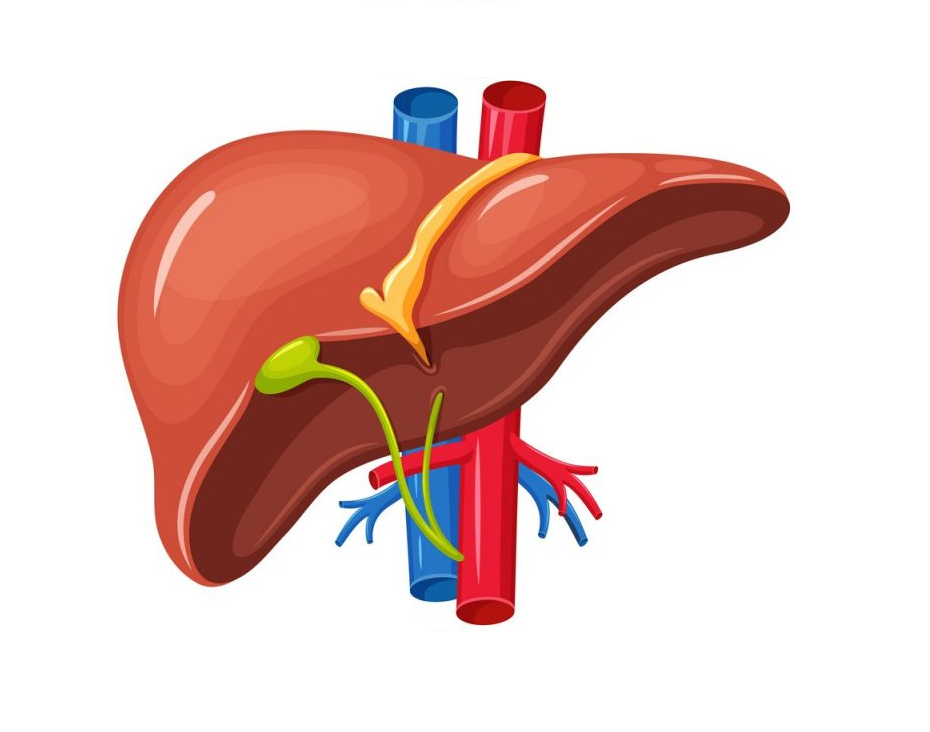
BENEFITS OF GLUTATHIONE: